The 43 day Government Shutdown—Its Effects on Head Start Programs and Other Educational Institutions
By Saron Hatsey
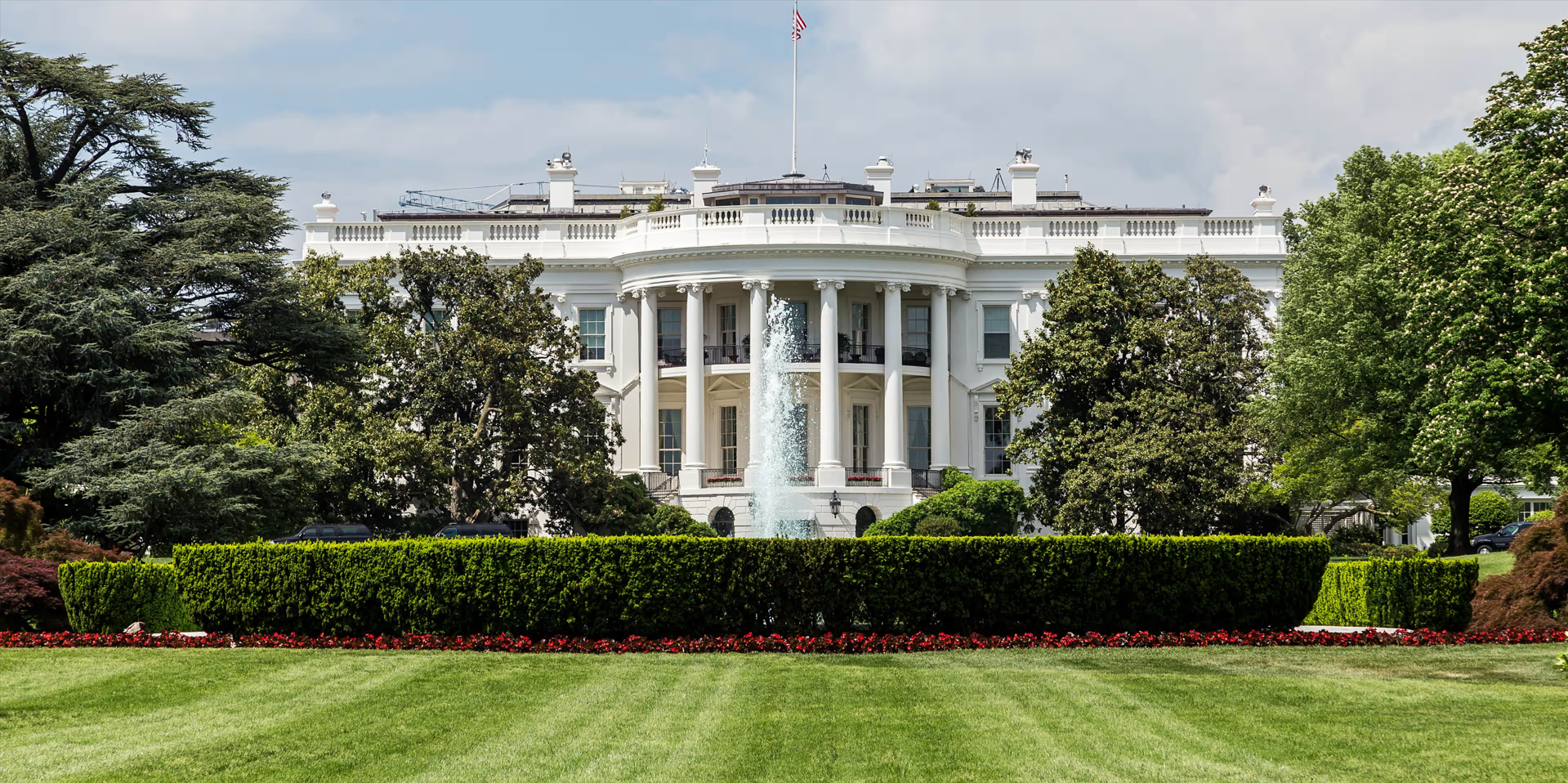
Danny Thomas / EyeEm / Getty Images
Recently, the United States government went through the longest government shutdown in its history, lasting 43 days. Beginning on October 1st, the government froze funds from multiple educational programs and institutions, many of which were already at risk due to the changes done to the Department of Education.
One of the most impacted programs was the Head Start Program, a preschool that provides meals, education, and childcare to thousands of American families for free. Head Start is a federally funded program that receives grants on a yearly cycle. Over 100 Head Start programs that would’ve seen their grants within the months of the shutdown didn’t receive their money, resulting in numerous programs closing temporarily across the country. By November 18th, 5 days after the end of the shutdown, nearly 6,000 families and children across 13 states and Puerto Rico were left without adequate childcare and early childhood education.
Additionally, higher education grantmaking was halted as well. Essential grants, like those for food and housing remained active as well as the FAFSA and pell grants. However, during the shutdown, major agencies such as NIH and NSF suspended peer-review panels, halted most merit-review activities, and paused the release of all new awards, creating a backlog that affected thousands of proposals nationwide.
Despite this, most public institutions could remain open throughout the shut down period. Most Title I funding continued under the DOE’s contingency plan during the shutdown, and IDEA funding, which funds special education programs, received their funding as well. Moreover, Free and reduced lunch continued to be provided, allowing thousands of children to receive meals despite the disruptions to other federal funding streams.
The shutdown’s end didn’t bring a sense of relief to affected institutions. Distribution of Impact Aid came to a halt during the shutdown. More than 1,000 public schools across the nation rely on Impact Aid to make up for the property tax loss due to a high portion of their students coming from federally connected sources, including those on reservations, military bases, or low income rented housing. On October 10th, all of the staff working in the Impact Aid department were laid off. While the staff were all re-hired after the end of the shutdown, appeals to the court and further action from the current administration may lead to job cuts and funding cuts that will impact thousands of students.
The shutdown's events brought to light how reliant many educational programs are on timely federal funding and how disruptions to that funding can impact operations at several levels of the educational system. Today, schools and programs are still resolving backlogs, delayed procedures, and administrative disruptions brought on by the 43-day pause as agencies return to regular operations.